Weelee can pay more than WeBuyCars, but only if the bidding room is crowded enough to make the auction feel like a real contest. On this test car, a 2018 Toyota Corolla Quest 1.6 with 90,000 km and a full service history, the gap was real. Weelee finished ahead of WeBuyCars by R15,500 after inspection. A private buyer was still sitting R21,500 above Weelee’s best confirmed money.
Most sellers miss this part. The first number is only the opening move. The real question is how much of that number survives the inspection, how fast you get paid, and how much hassle you are buying with the extra rand.
The test car and the three routes
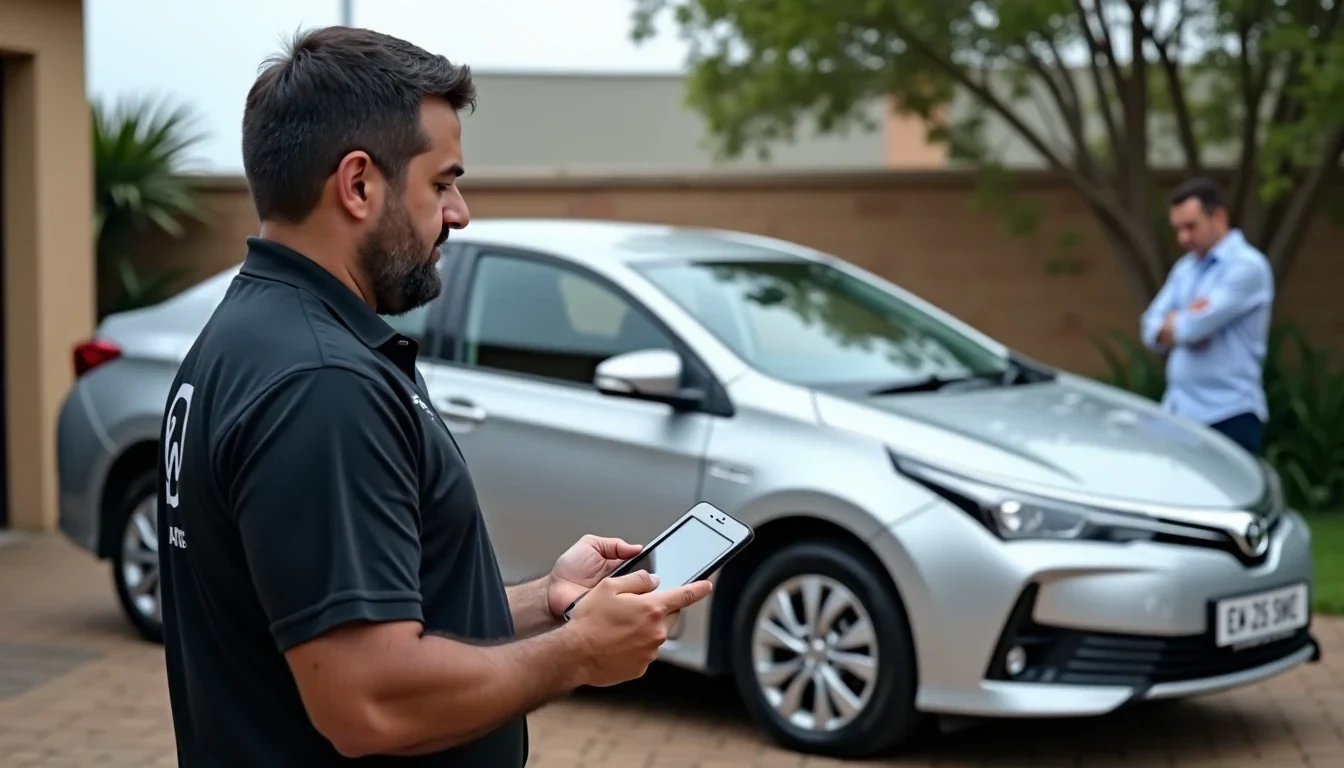
The car used for the comparison was the same across all three channels, with identical mileage, condition notes, and service history supplied within 48 hours. This matters because a used-car offer is only useful if you are comparing like with like. The vehicle was described as being in good condition, with ordinary cosmetic wear, nothing dramatic, and a service record that should have made it an easy sell.
The three routes were:
- WeBuyCars, for the fast cash offer
- Weelee, for the dealer-auction model
- A Toyota franchise dealership, because brand dealers often price their own cars a little more confidently if they think resale will be easy
A realistic private-sale value was also included. Private selling is not simple, but every seller should know what speed is costing them.
How the first numbers landed
WeBuyCars came back first with an immediate online valuation of R165,000. This number gets your attention because it arrives quickly and with no drama. It is also only an estimate until the car is physically checked.
Weelee does things differently. It does not send one opening offer from the platform itself. It pushes the car into its dealer auction, and the first approved dealer bid in this test came in at R170,000 within about two hours. This already put it ahead of the WeBuyCars figure and showed the basic appeal of the model. More than one buyer can look at the same car, and the bidding can climb if the vehicle is easy to move.
The Toyota dealership was the highest of the first round at R175,000, based on a brief assessment and assuming the car was not being traded in as part of another deal.
Here is the first-pass comparison:
| Channel | First figure |
|---|---|
| WeBuyCars | R165,000 |
| Weelee first bid | R170,000 |
| Toyota dealership | R175,000 |
| Private-sale estimate | R195,000 |
What survived the inspection
The story gets less tidy here.
WeBuyCars dropped from R165,000 to R158,000 after inspection. The R7,000 deduction was tied to small things a seller would probably call normal wear: stone chips on the bonnet, light scuffing on two alloy wheels, and a worn driver’s seat bolster.
Weelee’s winning bid rose to R178,000 during the auction, but the inspected figure settled at R173,500. The deduction was R4,500, again for minor cosmetic issues like the stone chips and wheel scuffs. This was still a haircut, but smaller than the WeBuyCars adjustment.
The Toyota dealer moved from R175,000 to R170,000 after a workshop look-over, trimming R5,000 for paint touch-ups and a wheel alignment.
The final comparison is more useful than the opening offers because this is the money that actually matters:
| Channel | Final inspected offer | Deduction |
|---|---|---|
| WeBuyCars | R158,000 | R7,000 |
| Weelee | R173,500 | R4,500 |
| Toyota dealership | R170,000 | R5,000 |
| Private-sale estimate | R195,000 | None, if you sell it yourself |
On this car, Weelee beat WeBuyCars by R15,500 after inspection. That is not a rounding error. It is real money, enough to pay for a service plan, a decent chunk of insurance, or just to keep in your account instead of in someone else’s stock room.
The time cost is where WeBuyCars wins
WeBuyCars finished the whole process in about 12 hours. The online offer was near instant, the inspection happened the same day, and payment followed once the car was handed over. If you want the shortest path from “I’m done with this car” to cash in the bank, that is the benchmark.
Weelee took three days from submission to final payment and collection. Day one was the listing and auction opening. Day two was the end of the bidding window and the seller accepting the winning bid. Day three was inspection, paperwork, and payment initiation before collection.
That extra time is the price of the auction model. You are not selling to one buyer with one internal pricing sheet. You are waiting for dealer competition to do its job. Sometimes that competition pushes the price up enough to justify the wait. Sometimes it does not.
For a commuter car with broad appeal, the delay can make sense. For someone who needs cash by lunchtime, it will feel slow.
Why the auction model worked here
The Corolla Quest is the kind of vehicle dealers understand immediately. It is a Toyota, it has sensible mileage, it has a service history, and it is not trying to be clever. That matters. Dealer auctions tend to reward boring, popular, low-risk cars. Think Toyota Corolla, VW Polo, Ford bakkie, entry-level SUV—the sort of car a dealer knows they can resell without begging for a buyer.
Weelee’s model works best when several dealers want the same car. That is when the platform does what its supporters claim it does. One dealer sees margin, another wants stock, a third thinks the car will move quickly, and the price nudges upward.
When only one dealer bites, the whole thing changes. The seller still has a bid, but the auction no longer feels like an auction. It becomes one interested buyer wearing the costume of a marketplace. That is when the price can flatten out or sink, especially on older, niche, high-mileage, or cosmetically tired vehicles.
The model can pay more. It does not magically pay more; the car has to be the kind dealers want.
What the rules mean in practice
Weelee’s current transaction flow matters just as much as the bid itself.
Every bid stays conditional on the car arriving exactly as described. If the vehicle does not match the seller’s listing when it is physically checked, the buyer can revise the number. That is not a loophole, it is the deal. Sellers should treat every online bid as provisional until the inspection is done.
Payment usually follows after the inspection, once both sides agree on the final amount and the paperwork is signed off. The money is generally transferred by EFT, and it can show in the seller’s account within 24 to 48 hours, depending on the bank.
If there is finance outstanding, the winning dealer or Weelee buyer settles the balance directly with the lender and pays the seller the remainder. This is useful if you still owe money on the car, but only if your finance details are accurate and you have a settlement letter ready.
The legal buyer is the approved dealer that wins the auction and completes the purchase. Weelee is the platform, not the owner of the car in the usual case. That distinction matters when things go wrong, because the real transaction sits between you and the dealer who actually bought the vehicle.
The private sale temptation
The private-sale estimate for this Corolla Quest was R195,000. That is R21,500 more than Weelee’s final offer and R37,000 more than WeBuyCars’ final offer. These are large gaps, and they explain why private selling keeps tempting people even when they swear they want an easy life.
Private sale gives you the best chance of top rand value, but you take on the whole circus yourself. Calls, no-shows, price haggling, test drives, payment risk, fake proof-of-payment nonsense, and the lovely little anxiety of meeting a stranger who wants your car, your bank details, and maybe your patience.
If you are selling a car that is clean, popular, and easy to finance, the private market can beat both platforms. If you want less exposure to fraud and less admin, the money gap is what you are paying to get rid of.
So does Weelee really pay more
On this test, Weelee paid more than WeBuyCars. The final difference was R15,500, and the inspection deduction was smaller too. That is enough to say the dealer-auction model has teeth.
It still did not beat a realistic private-sale price. That gap stayed at R21,500, which is the cost of convenience, lower risk, and not spending your week fielding tyre-kickers.
For a South African seller, the choice is plain. WeBuyCars is the fastest exit. Weelee is the better bet when the car is desirable and the dealer room is busy. A private sale can win on price, but only if you are willing to do the work and carry the risk.